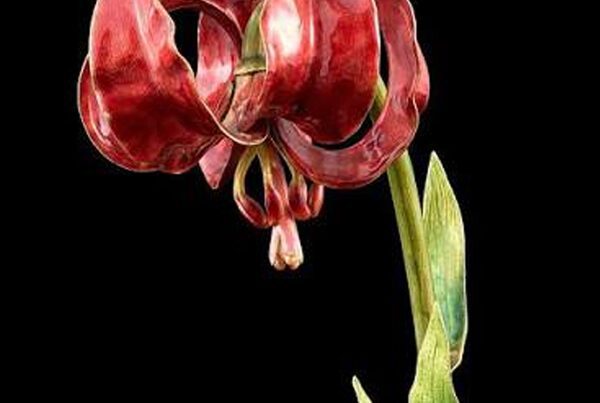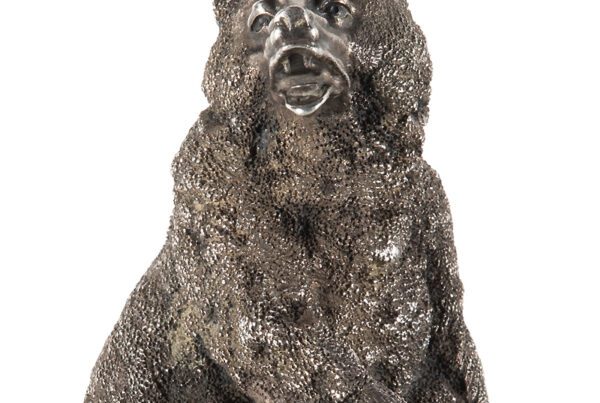
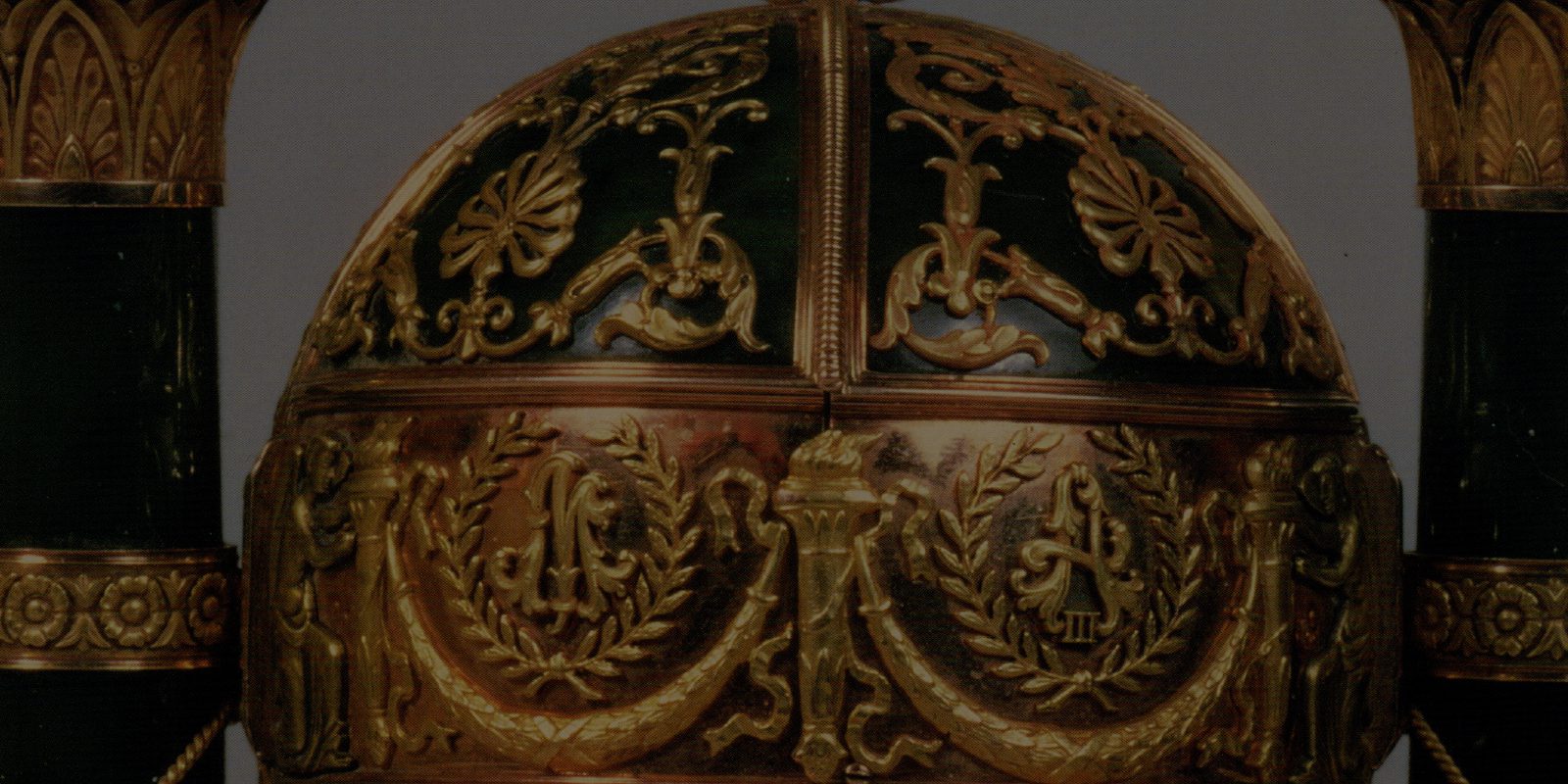
THE TIME HAS COME to blow the lid on the fake Fabergé market! That’s the mission of FAUXBERGÉ ! Forgery, Fakery & Fabergé – a new book that will send shudders down the spines of crooks and Fabergé forgers around the world.
Fabergé is Big Business. The finest Fabergé pieces – made in Russia in the late 19th and early 20th centuries – can sell for hundreds of thousands, if not millions of pounds or dollars.
One chapter charts the History of Fabergé Forgeries. The first Fabergé fakes are thought to have been produced back in the 1930s, both in the USSR and by Armand Hammer in the United States, using hallmarks rumoured to have been supplied by Soviet authorities. Forgeries gathered pace after the first colour photographs of Fabergé works were published in 1949. Fakes were produced in the Soviet Union by various individuals for sale to gullible tourists and diplomats.
Another chapter covers Fabergé Forgers of Today. Faking continues on a daunting scale, notably in Putin’s Russia: the book will cite the whistle-blowing testimony of a stone-cutter in Alexander Leventhal’s St Petersburg workshop: Evgeny Belousov. I spoke to him directly. He admitted churning out ‘Fabergé’ elephants by the hundred – mostly commissioned by Alexander Ivanov, owner of a co-called ‘Fabergé Museum’ in Baden-Baden… where fakes, in my opinion, are two-a-penny.
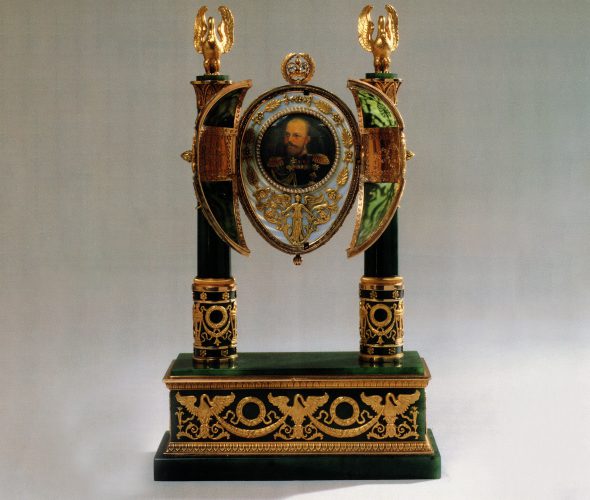
Ivanov has friends in high places: his ‘museum’ was opened with the backing of Konstantin Goloshchapov, known as ‘Putin’s Masseur.’ The pair provided two Fabergé pieces presented to the Hermitage Museum by Vladimir Putin in 2014: the Rothschild Egg and an elaborate silver clock made for Tsar Alexander III. The Rothschild Egg was the subject of British tax investigation over suspected VAT fraud, while the silver clock was once offered for sale by a Californian garage-owner who had acquired it under suspicious circumstances. Ivanov was a major lender to the scandal-ridden Fabergé show at the Hermitage in 2020/21, where I believe over one-third of the items on display were fakes. The exhibition was staged under the auspices of Museum Director Mikhail Piotrovsky (another Putin crony), who claimed ‘authenticity is of no importance.’
-

- ‘EMPIRE EGG’
-
- ‘KARELIAN BIRCH EGG’

Other nefarious characters spinning a sleazy web of Fabergé fakery include a shady Armenian dealer from Paris, whose attempts to pass off mundane items as Fabergé landed him in hot water at the London High Court; the late Tatiana Fabergé, who cashed in on her status as great-granddaughter of the great Carl Fabergé to help launch a Swiss-based Foundation peddling whole collections of Fabergé fakes; and Valentin V. Skurlov, onetime Christie’s consultant and self-styled ‘world’s number one Fabergé historian,’ whose ability to conjure up complaisant ‘archival evidence’ has been used to confer spurious credibility on several high-profile Fabergé fakes – led by two so-called ‘Imperial Easter Eggs’ (the so-called ‘Empire Egg’ and ‘Karelian Birch Egg’) regarded as bogus by Sotheby’s, Christie’s and the world’s leading experts. The most recent big Fabergé show, held at the Victoria & Albert Museum in 2021/2, assembled as many Imperial Easter Eggs as it possibly could: the ‘Empire Egg’ and ‘Karelian Birch Egg’ (another of Ivanov’s Baden-Baden ‘attractions’) were conspicuous by their absence.
Ivanov is also accused (by Museum Director Pavel Plechov) of producing a low-quality replica of the 1915 Fabergé Soldier figurine housed in Moscow’s Fersman Mineralogical Museum. Ivanov unveiled his soldier in 2011, at the Era Of Fabergé exhibition in Kostroma (Russia’s 72 nd -largest city), before unleashing it on the Hermitage – where its ownership was credited to the St Petersburg’s ‘Museum of Christian Culture’ founded by Konstantin Goloshchapov).
-
- FABERGÉ’S 1915 SOLDIER

-
- IVANOV’S MODERN REPLICA

I have spent over forty years handling, examining, buying and selling works by Carl Fabergé. They encompass some of the most exquisite items produced by human hand. I want to stop the illustrious name of Fabergé being dragged through the gutter by unscrupulous crooks exploiting the naïveté of the uninitiated.’
Lavishly illustrated with dozens of fake and authentic Fabergé artworks – and expert advice on how to tell them apart – FAUXBERGÉ ! Forgery, Fakery & Fabergé will be a must-read for serious collectors and all those interested in superlative Russian craftsmanship.
Extracts from the book will be appearing on the RUZHNIKOV website in the weeks ahead. Watch this space!